What is double-entry bookkeeping? How it works in 2026

This example demonstrates how double-entry accounting ensures that the accounting equation remains balanced. The increase in one asset (Office Equipment) is offset by a decrease in another asset (Cash). Each account in double-entry accounting has a normal balance (either a debit or credit). For instance, asset accounts typically have a debit balance, while liability and equity accounts have a credit balance. Transactions are recorded according to these norms to ensure proper classification and balance. For every debit entry made, there must be an equal and opposite credit entry.
Difference between single entry and double entry bookkeeping
This principle states that every transaction affects at least two accounts, with one how is sales tax calculated account being debited and another account being credited. In simpler terms, it means that for every financial transaction, something is received (debit) and something is given (credit). Double entry accounting enables creation of balance sheets, income statements, and cash flow statements—the three core financial reports businesses need. These statements provide crucial insights for owners, investors, lenders, and tax authorities. Without double entry records, generating accurate financial statements would be impossible. Understanding what is double entry accounting is essential for anyone involved in business finance, bookkeeping, or accounting.
How to do double-entry bookkeeping
For example, you might use Petty Cash, Payroll Expense, and Inventory accounts to further organize your accounting records. With the single-entry system, you record cash disbursements and cash receipts. Just like it sounds, you record one entry for every transaction with single-entry. Here, we’ll explore the basics of double-entry accounting, provide examples and solutions, and explain why this method is essential for effective bookkeeping. The key to balancing your books is knowing which account should be debited and which account should be credited. But first, to understand how the double-entry system works, you need to understand the basic accounting equation.
- When it comes to single-entry bookkeeping, there’s much more scope for error – whether intentional or not.
- Remember that example where you bought $5,000 of equipment for your business?
- If a business buys raw materials by paying cash, it will lead to an increase in inventory (asset) while reducing cash capital (another asset).
- The personal account includes the account of any person, such as an owner, debtor, creditor, etc.
- This includes assets (cash, inventory, equipment), liabilities (loans, payables), income, expenses, and equity.
- This delicate interplay ensures that the equation’s equilibrium remains unbroken, reflecting the essence of double entry accounting’s accuracy and reliability.
- This fundamental bookkeeping method forms the backbone of modern financial reporting and ensures that every transaction in your business is accurately recorded and easily traceable.
What Are the Rules of Double-Entry Bookkeeping?
They often emerge due to the inherent complexity of this accounting system. However, with vigilance and standard practices, one can avoid these pitfalls. In essence, double-entry bookkeeping is a rigorous framework for maintaining financial records that ensure every transaction is captured symmetrically across multiple accounts.
A digital wallet (also sometimes called an electronic wallet) is an application that securely stores digital payment information and password data for a user. Of course, an experienced accountant is required to keep accounts in this manner. Accounting knowledge, both theoretical and practical, is required of the responsible accountant. So, if you keep the account in this manner, you can easily obtain accurate information. As a result, multiple sectors of the same account are impacted at the same time. As a result, the organization’s employees and officers are aware of the account manipulation.
- This example demonstrates how double-entry accounting ensures that the accounting equation remains balanced.
- The trial balance labels all of the accounts that have a normal debit balance and those with a normal credit balance.
- When you deposit $15,000 into your checking account, your cash increases by $15,000, and your equity increases by $15,000.
- Overall, accounting software has played a crucial role in the implementation of double-entry bookkeeping.
- Misreporting financial data can also lead to legal and regulatory issues.
- In accounting, double-entry bookkeeping is a fundamental concept that forms the backbone of financial record-keeping.
- Regardless of the system used, it is essential that businesses keep accurate and up-to-date records to ensure that they are making informed decisions.
This system lays the foundation for systematic and reliable financial reporting. In the domain of double-entry bookkeeping, software has revolutionized how businesses manage financial transactions, ensuring precision and efficiency. This section will explore the leading accounting software solutions and discuss how businesses can transition from manual to computerized bookkeeping systems.
Equity (Owner’s interest in the business)
Double Entry Bookkeeping is a standardized accounting system wherein each and every transaction results in adjustments to at least two offsetting accounts. By now, you should have a clear understanding of what is double-entry accounting and why it’s indispensable. But knowledge is only half the battle—putting it into practice is where the magic happens. By understanding these challenges and using the right tools and resources, you can confidently embrace double-entry accounting and unlock its full potential for your double entry accounting business. Double-entry systems create detailed, organized records for every transaction, making it easier to trace the flow of funds. This level of transparency builds trust among stakeholders, including investors, auditors, and regulators.
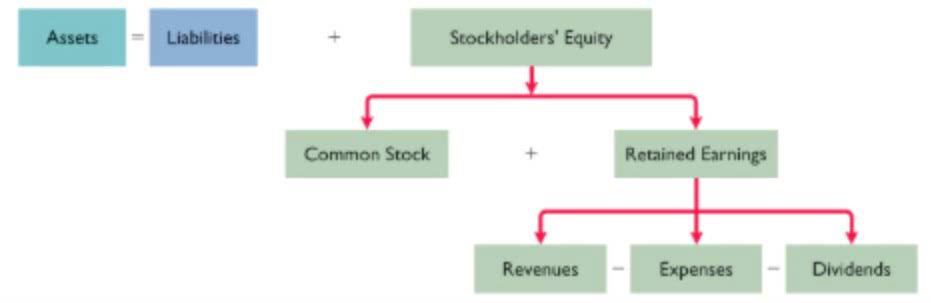
Accounting equation
“Double entry book-keeping is a system by which every debit entry is balanced by an equal credit entry. Tools such as QuickBooks, Xero, and Zoho Books help you automate debit and credit processes, reduce errors, and generate reports instantly. With categorised accounts and balanced data, owners can better assess profitability, cash flow, and expenses. When one account goes up, another account has to go down, or up some corresponding percentage, to balance the books. This is why double-entry bookkeeping is self-correcting and is far more reliable than manual bookkeeping or single-entry records.
Pro Forma Financial Statements (with Templates and Examples)

A bookkeeper makes the same entry in two places to reflect two different transaction scenarios. In simpler terms, double-entry accounting requires a corresponding credit entry of equal value in one account for every debit entry made in another account. This Accounting for Marketing Agencies dual-entry approach reflects the impact of transactions on a company’s financial position. For example, if a business purchases office supplies for $500 in cash, it will record a $500 debit to the Supplies account and a $500 credit to the Cash account. Once your records are accurate, use your data to create key reports such as the balance sheet, income statement, and cash flow statement. These financial statements are used for strategic planning, filing taxes, reporting to investors, and making day-to-day decisions.
¿Te gustan nuestros artículos?
Suscríbete a nuestro RSS feed y no te perderás ninguno..Tambien vota los articulos, eso ayuda a saber que lecturas valen la pena leer


 Cargando...